








Museo de Sitio de El Tajín
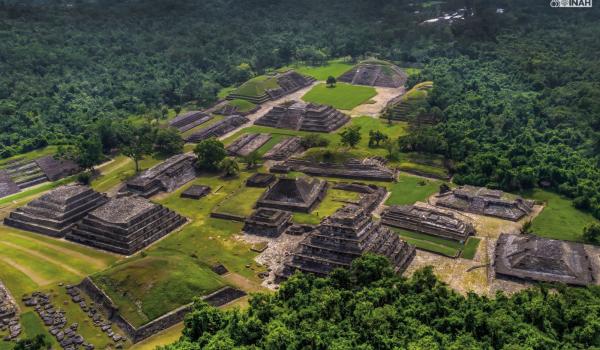
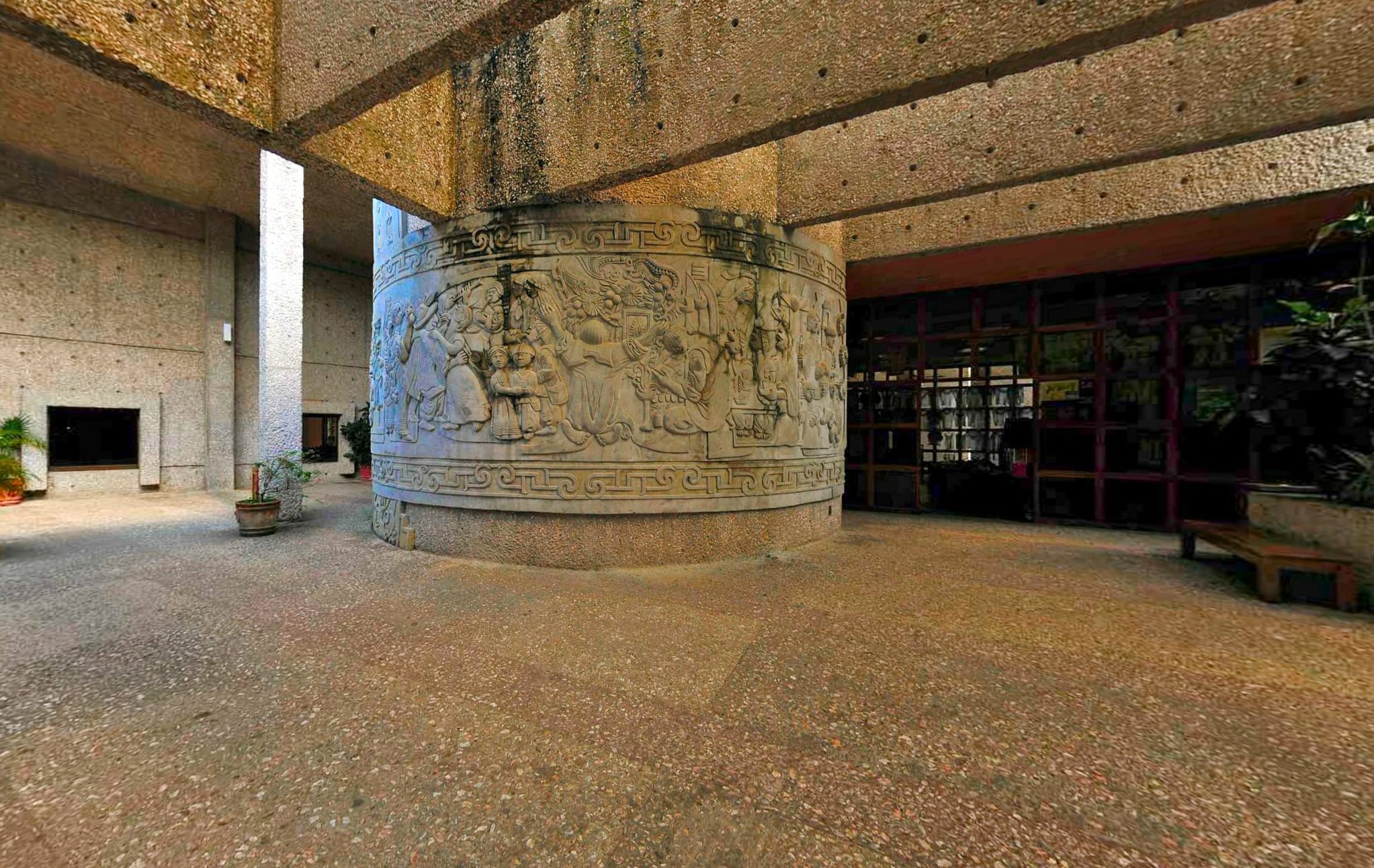
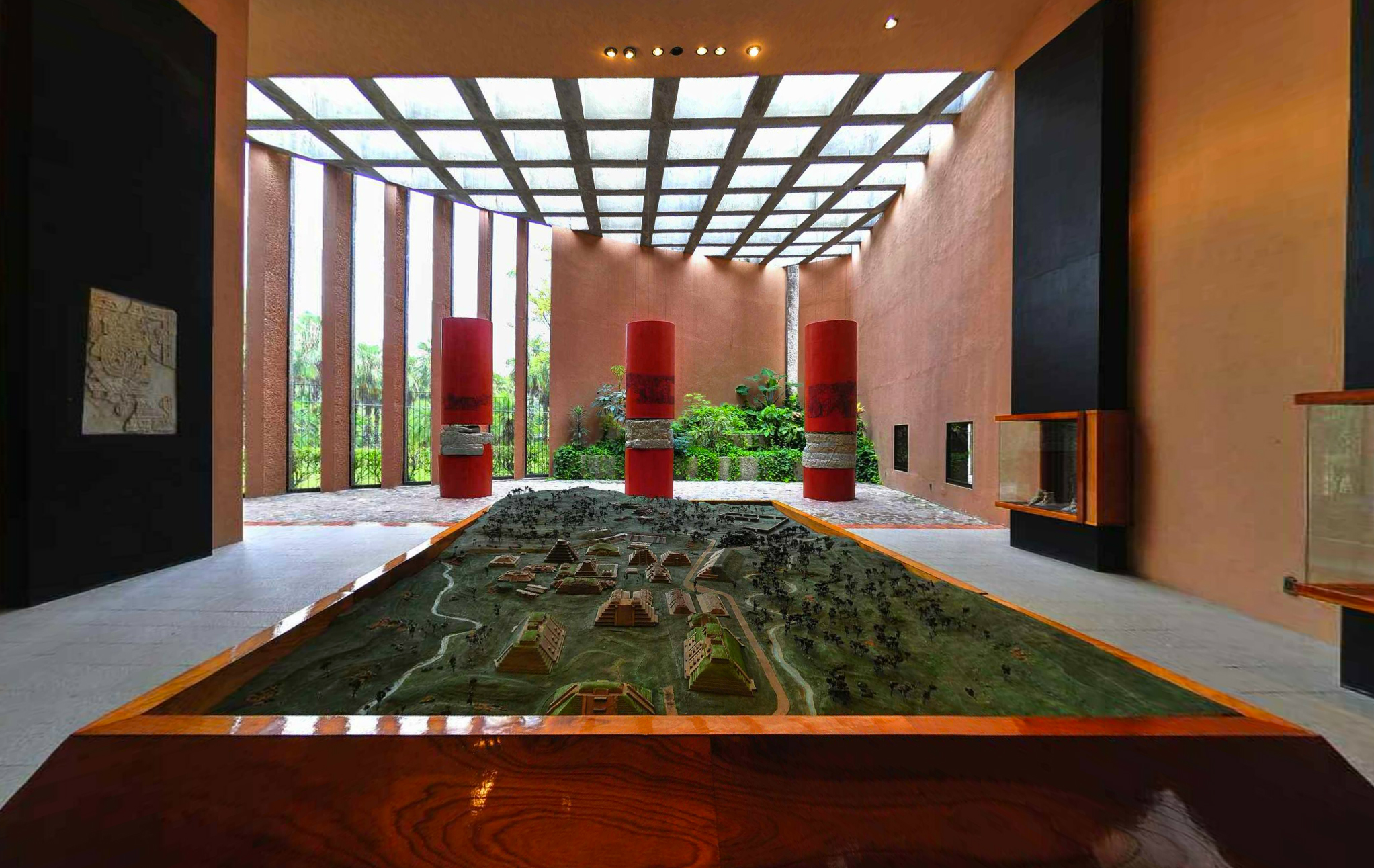
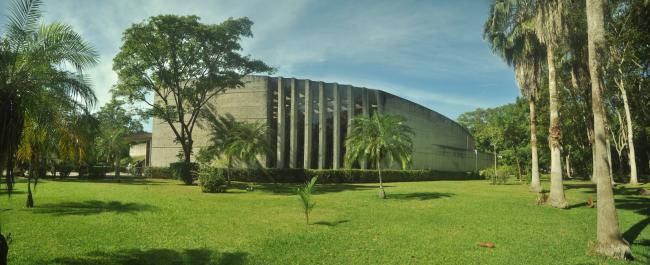
The peak of the Totonaca culture, with the most beautiful architecture of the Gulf Coast, a UNESCO World Heritage site. The museum, built by architect Teodoro Gonzaléz de León, shows vestiges of the city since the excavations of 1920, it also reconstructs the everyday life of this sophisticated culture.
El Tajín was the religious ceremonial center of the Totonac culture and home to the most beautiful architecture on the Gulf of Mexico. In light of this, on December 14, 1992, it was inscribed on the UNESCO World Heritage List. Formal research work in the area began in the third decade of the twentieth century, and this served to recover many testimonies of the art and religion of the site. For this reason, archeologist José García Payón decided to construct and open the first site museum, which displayed a wide range of friezes and columns with bas-reliefs, as well as sculptures and ceramic objects. However, it soon became clear that there was a need for a new building to house part of the initial collection and pieces found in the new excavations. The design was entrusted to the architect Teodoro González de León and it was inaugurated in 1995.
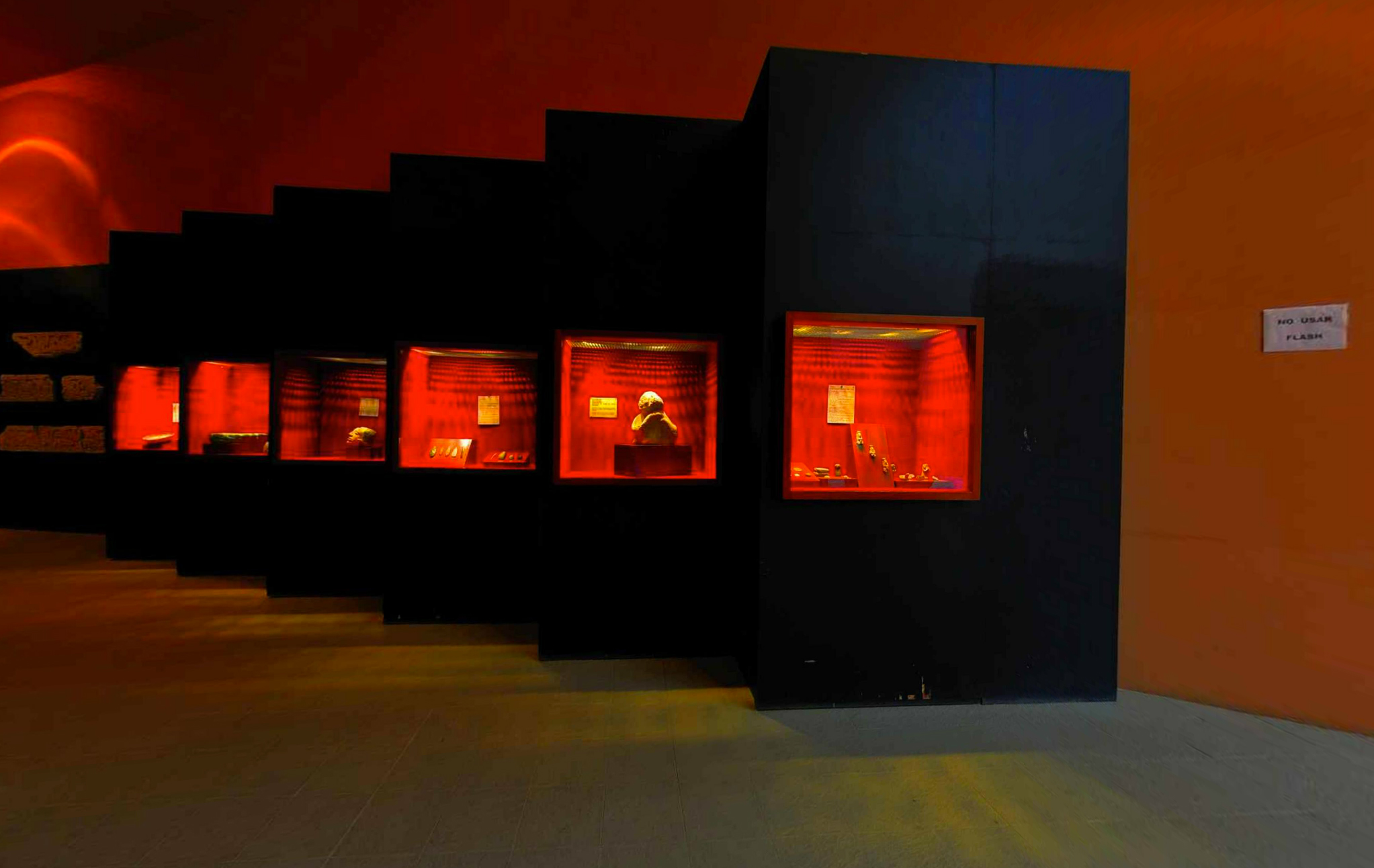
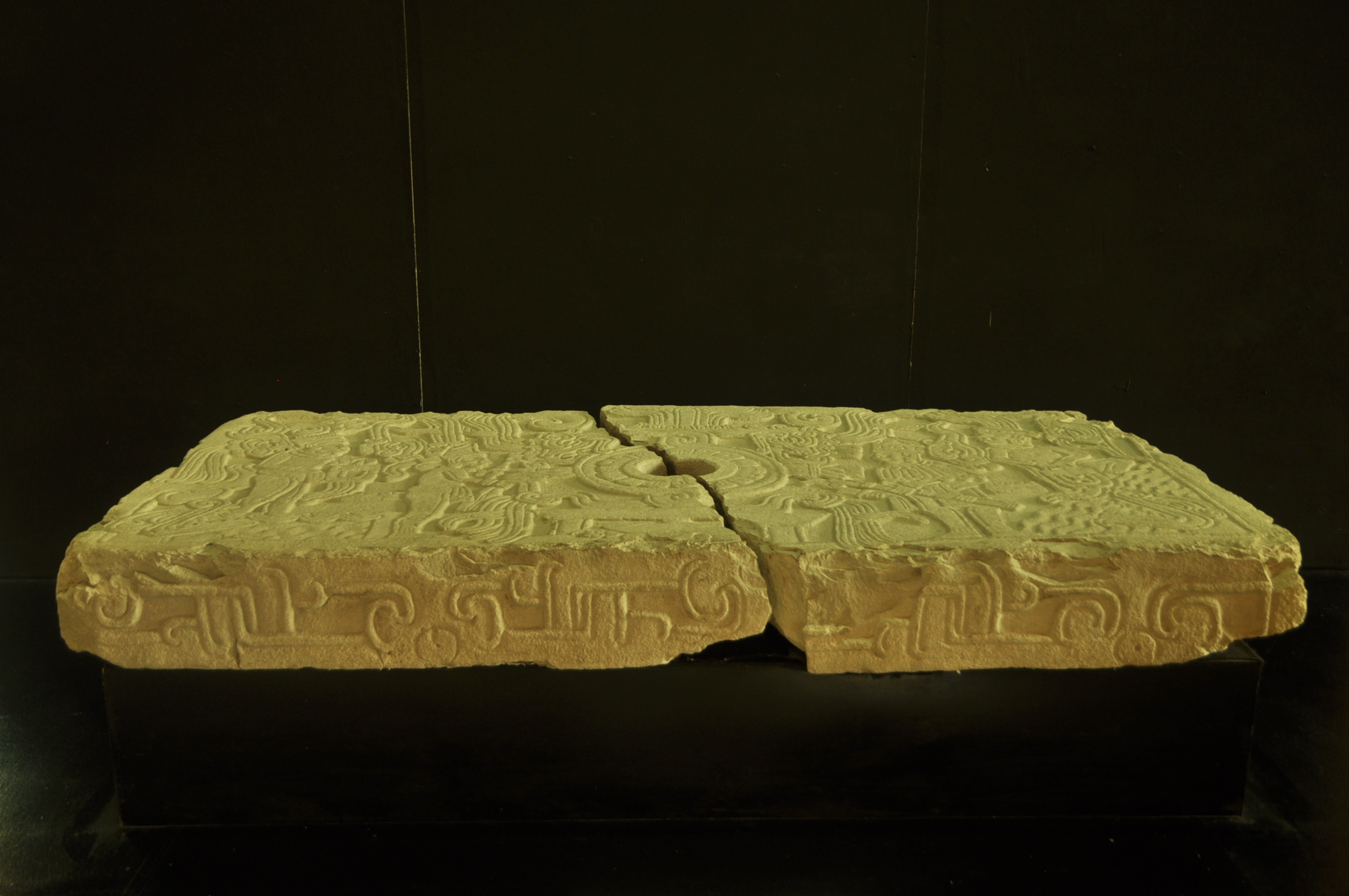
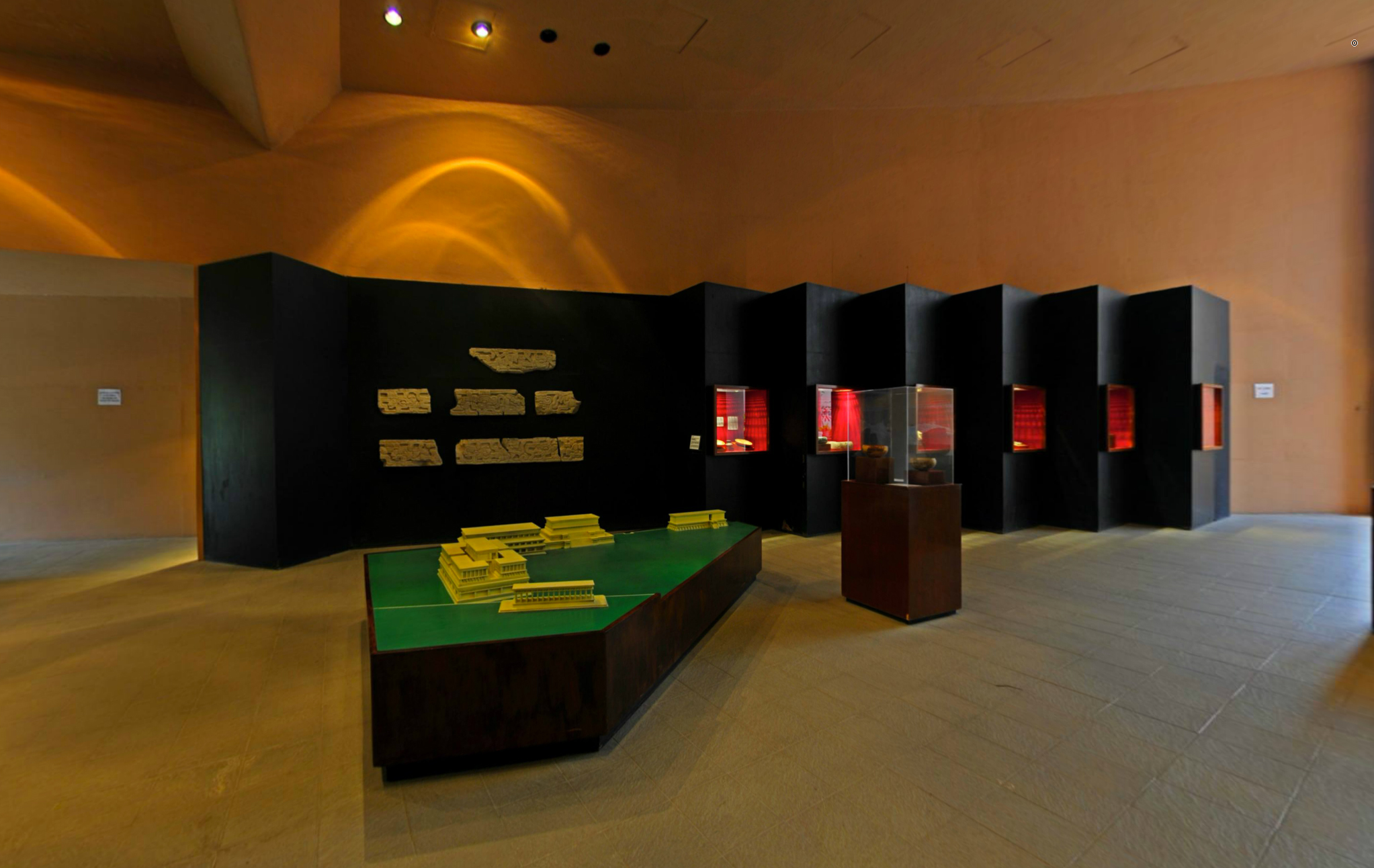
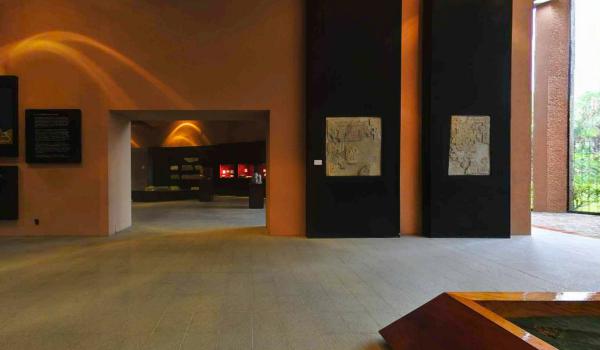
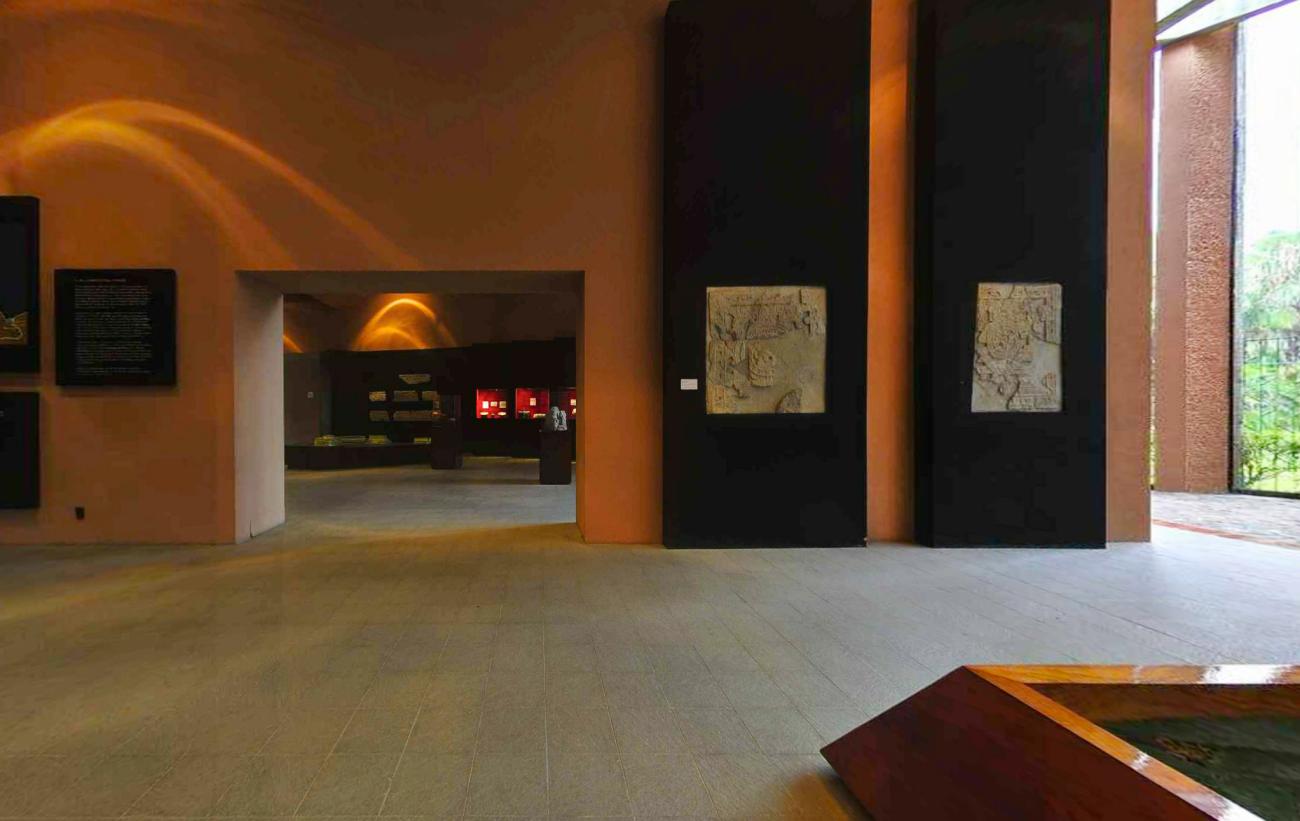
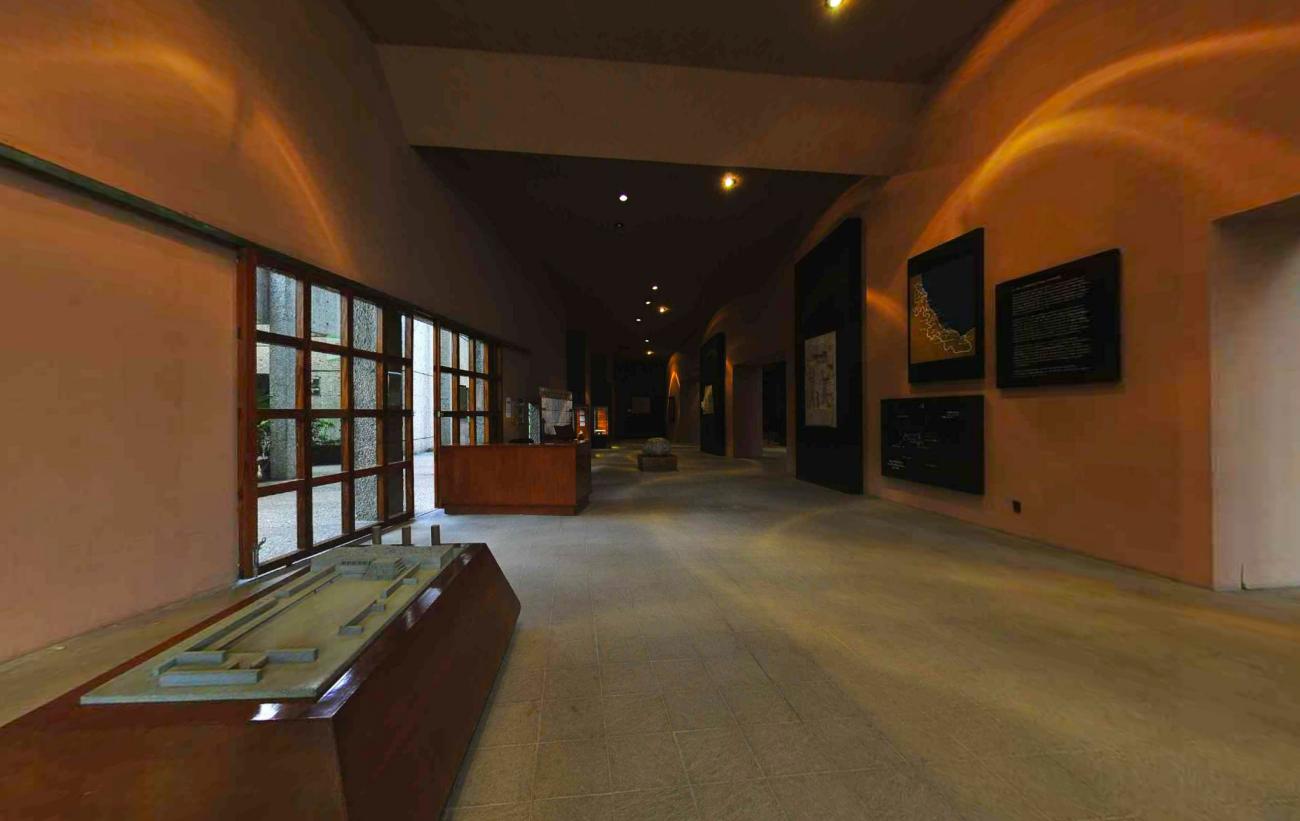
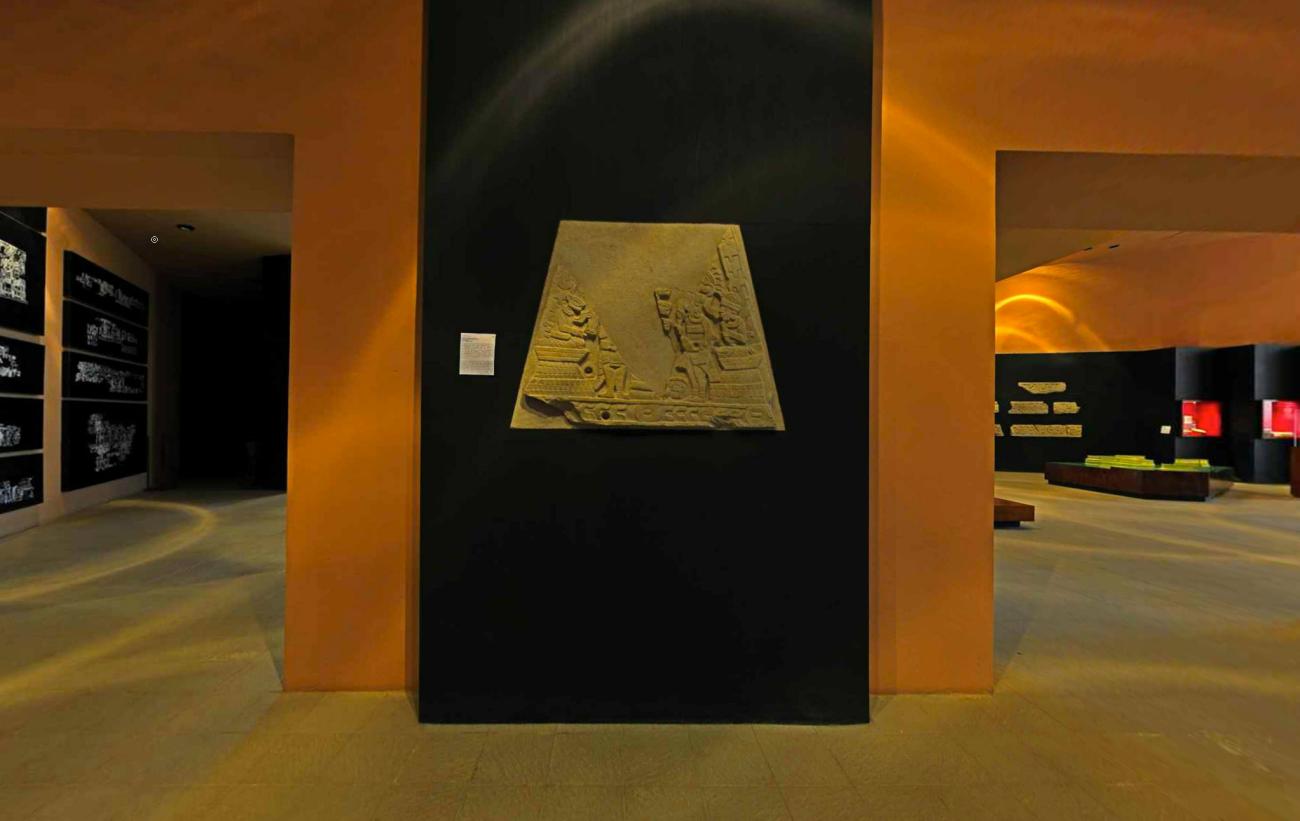
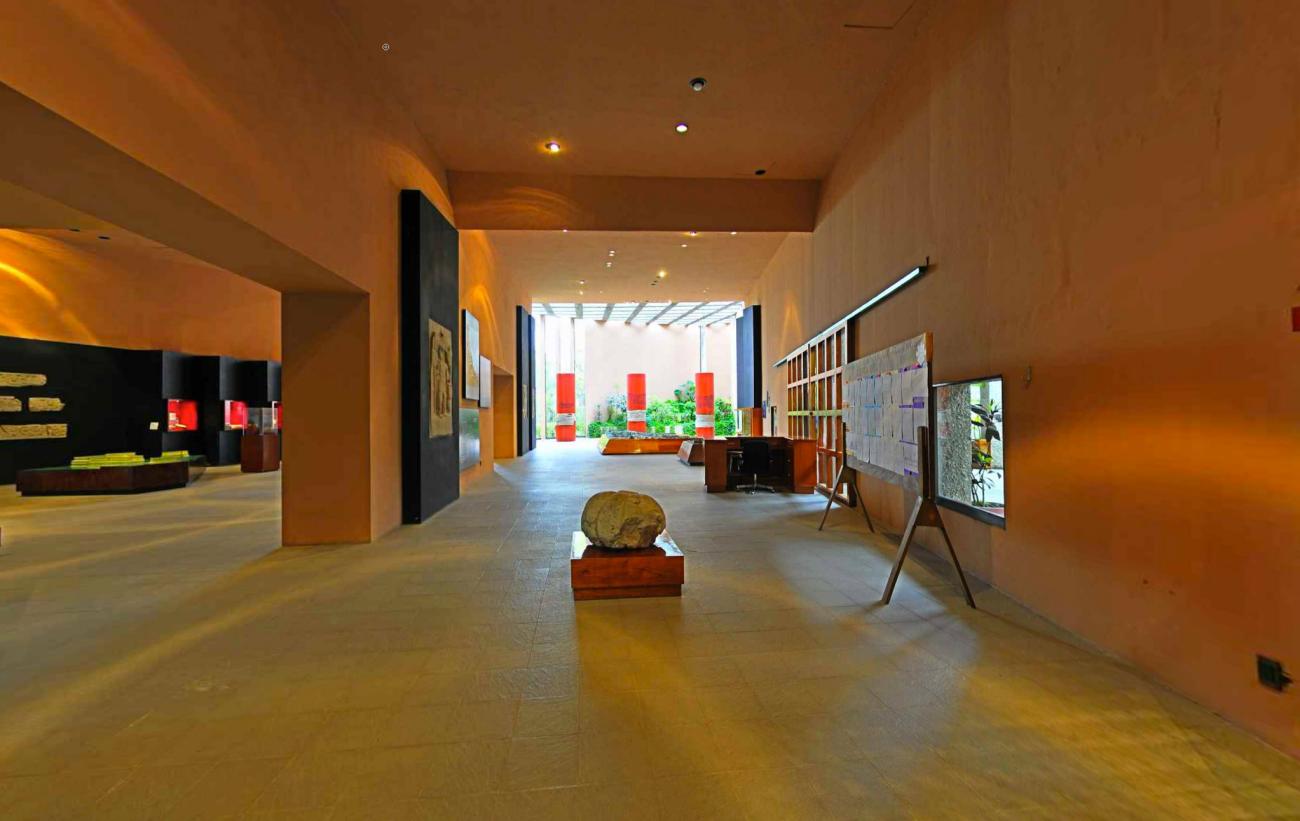
The current site museum consists of a single floor divided into two rooms. The first exhibits sculptures made of stone and a paste of lime and sand, along with models of the Palace of the Columns and the entire archeological zone. The second presents a journey through daily life and religion, domestic utensils, human burials, bas-reliefs and mural painting in which the ancient inhabitants expressed their ideas. Visitors can also see reconstructions of the ceremonial center, the main palace and the houses of the town, and learn about one of the rituals that has made El Tajin famous: the ball game.
With a visit to the museum, visitors will gain an understanding of the general context of the history of El Tajín thanks to the introductory texts, and gain insight into religious thought, daily life, social classes and the principal ceremonies.
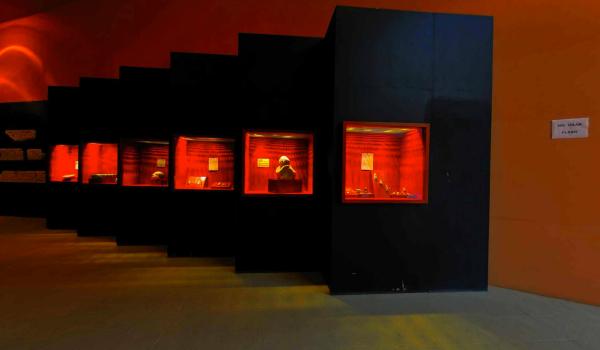
Room 2
The museum’s second room offers an overview of daily life and religion, showcasing domestic tools, human burials, as well as low reliefs and mural paintings in which the ancient inhabitants expressed their religious beliefs. To complement the exhibition, reconstructions of the ceremonial center,…
Room 2
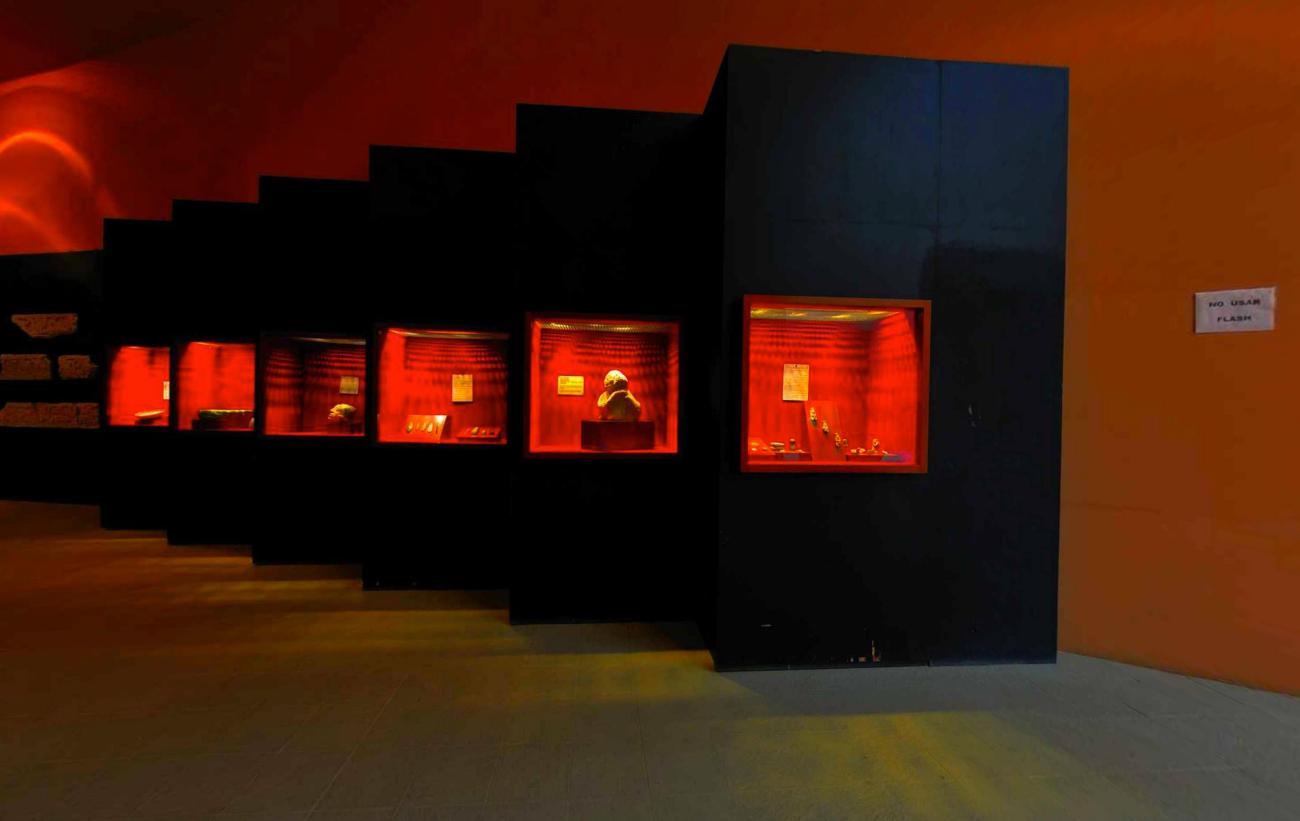
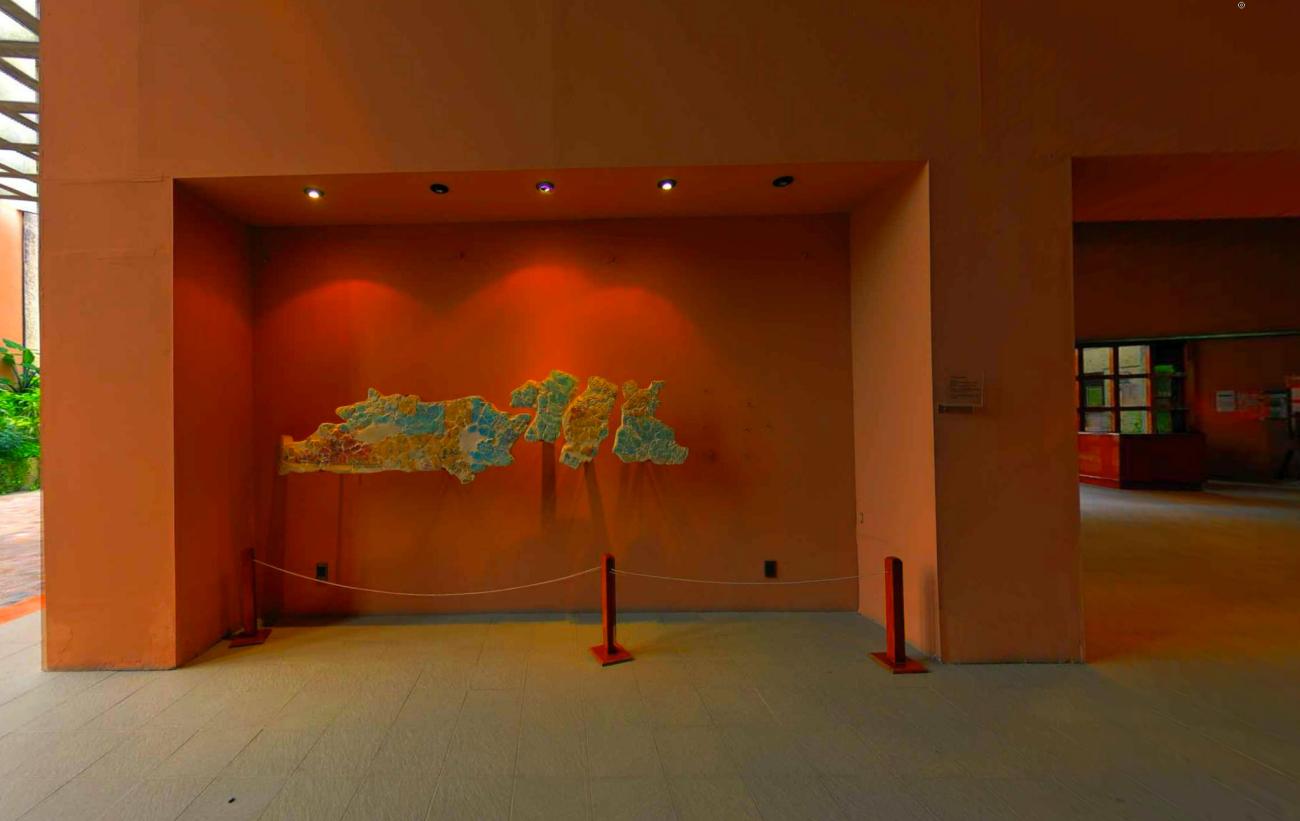
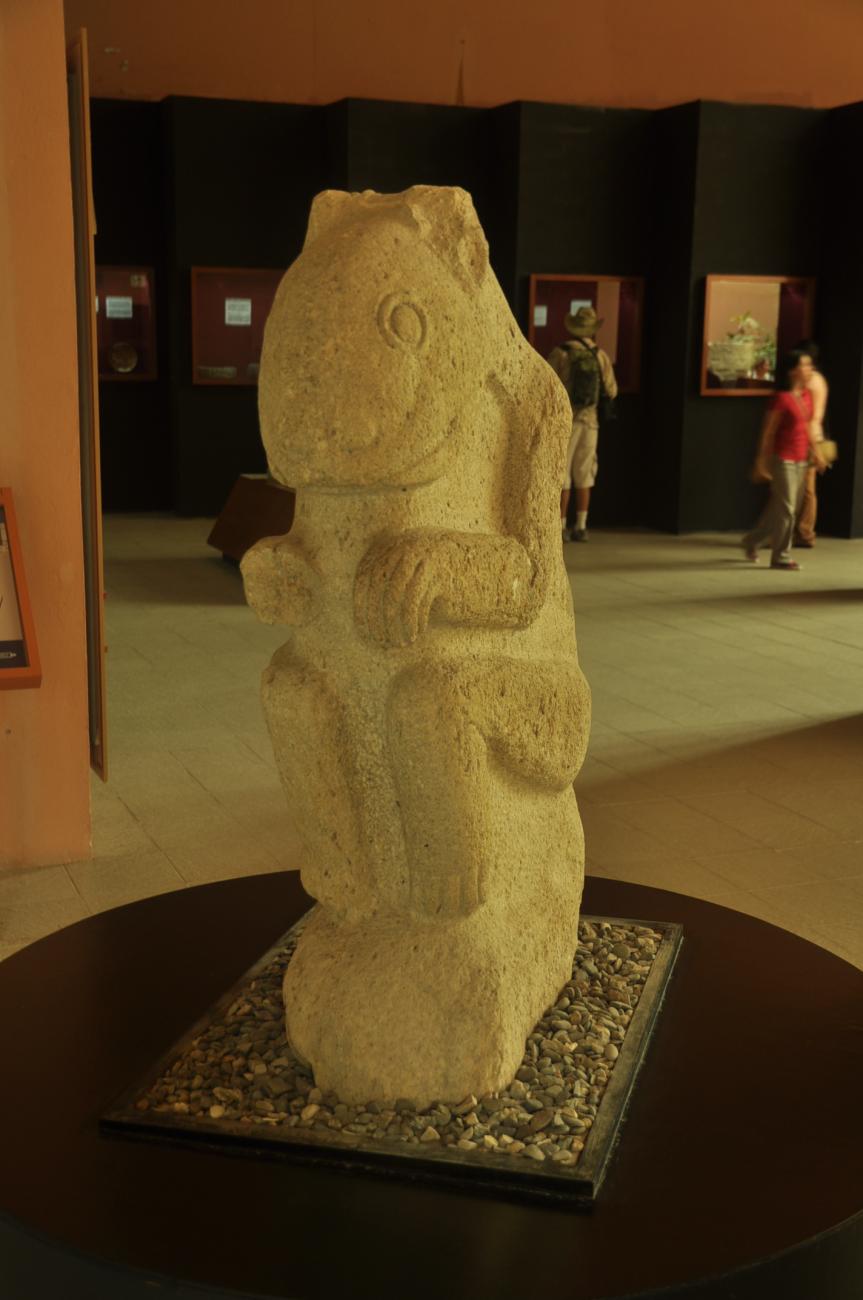
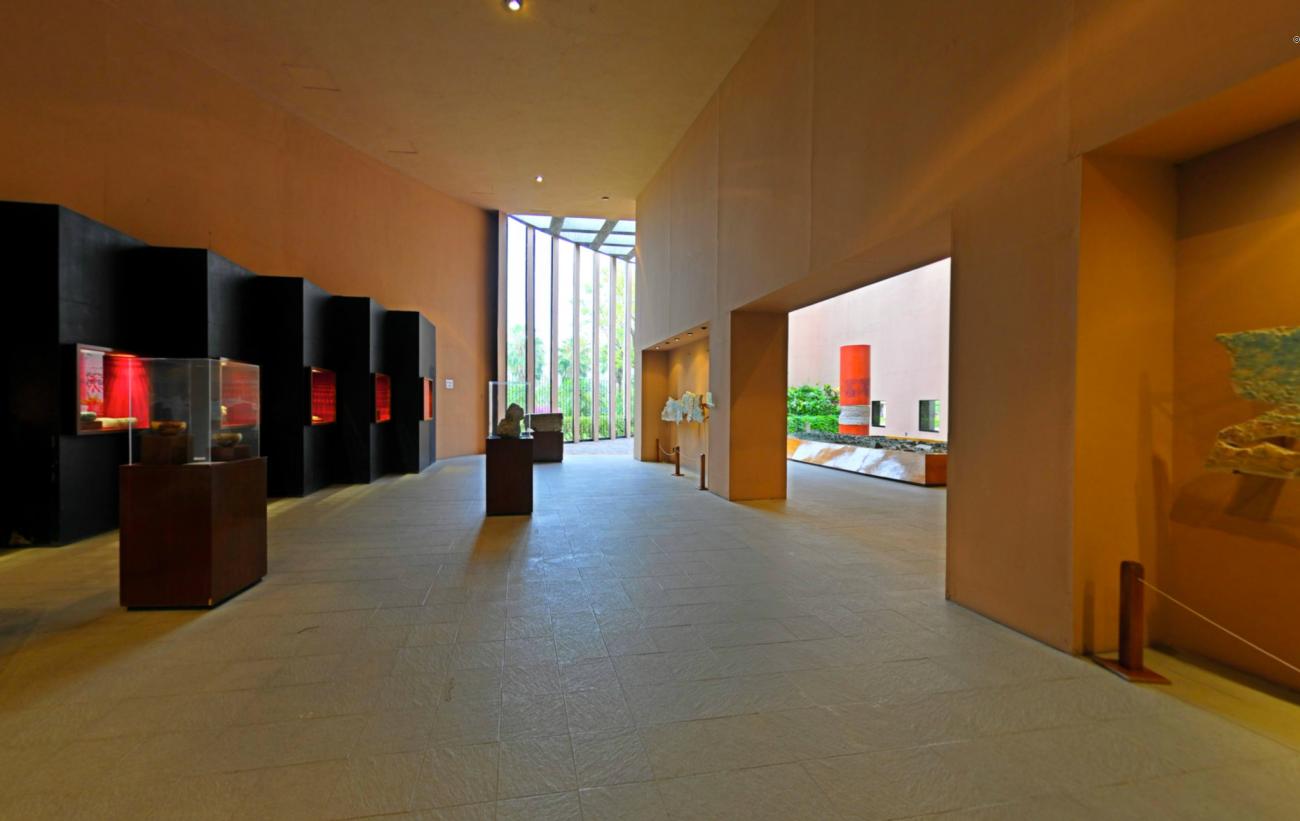
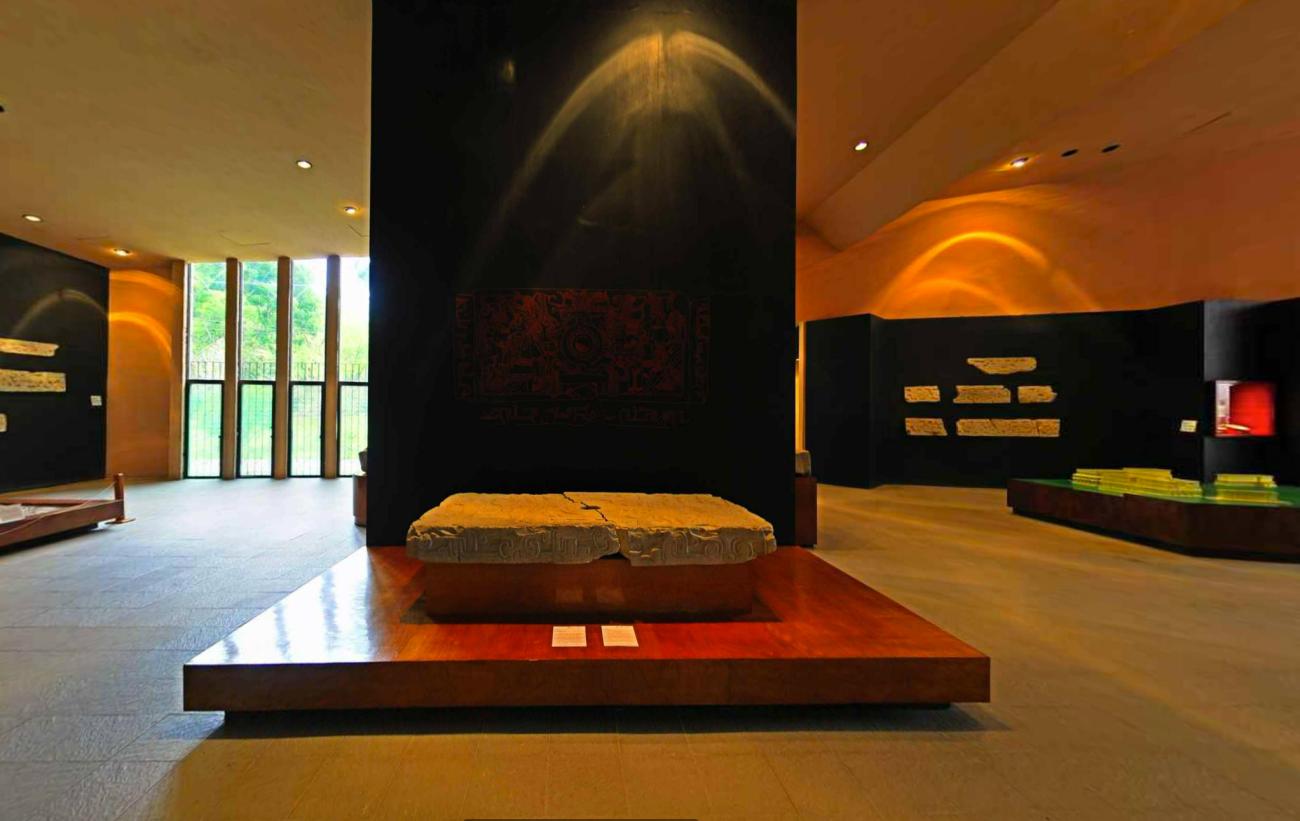
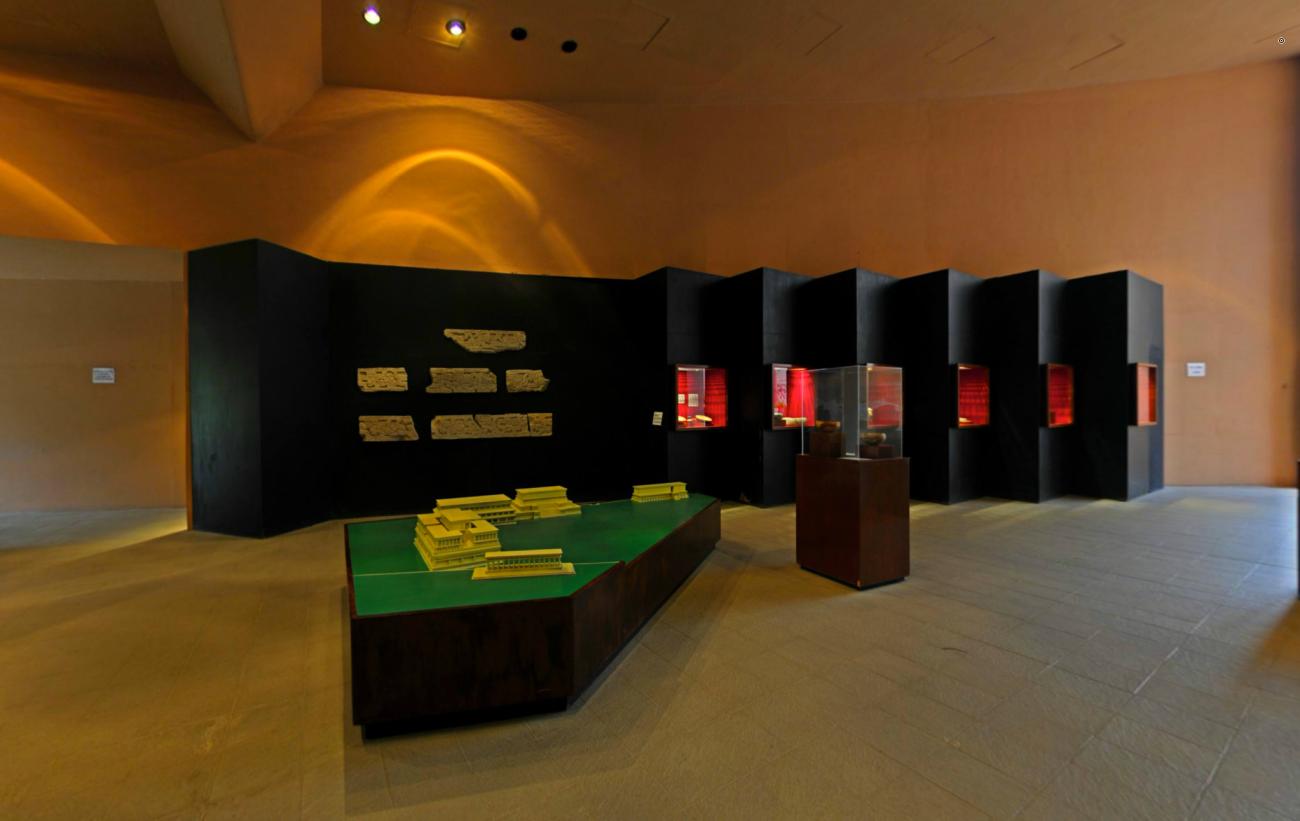
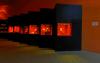
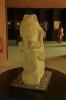
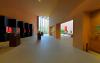
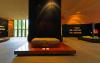
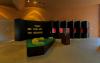
The museum’s second room offers an overview of daily life and religion, showcasing domestic tools, human burials, as well as low reliefs and mural paintings in which the ancient inhabitants expressed their religious beliefs. To complement the exhibition, reconstructions of the ceremonial center, the main palace, and the common people's dwellings are also displayed.
Document
- ResponsableOlaf Jaime Riverónolaf_jaime@inah.gob.mx+52 (784) 881 27 27